Beyond Sweet and Bitter: A Structured Approach to Tasting Craft Beverages
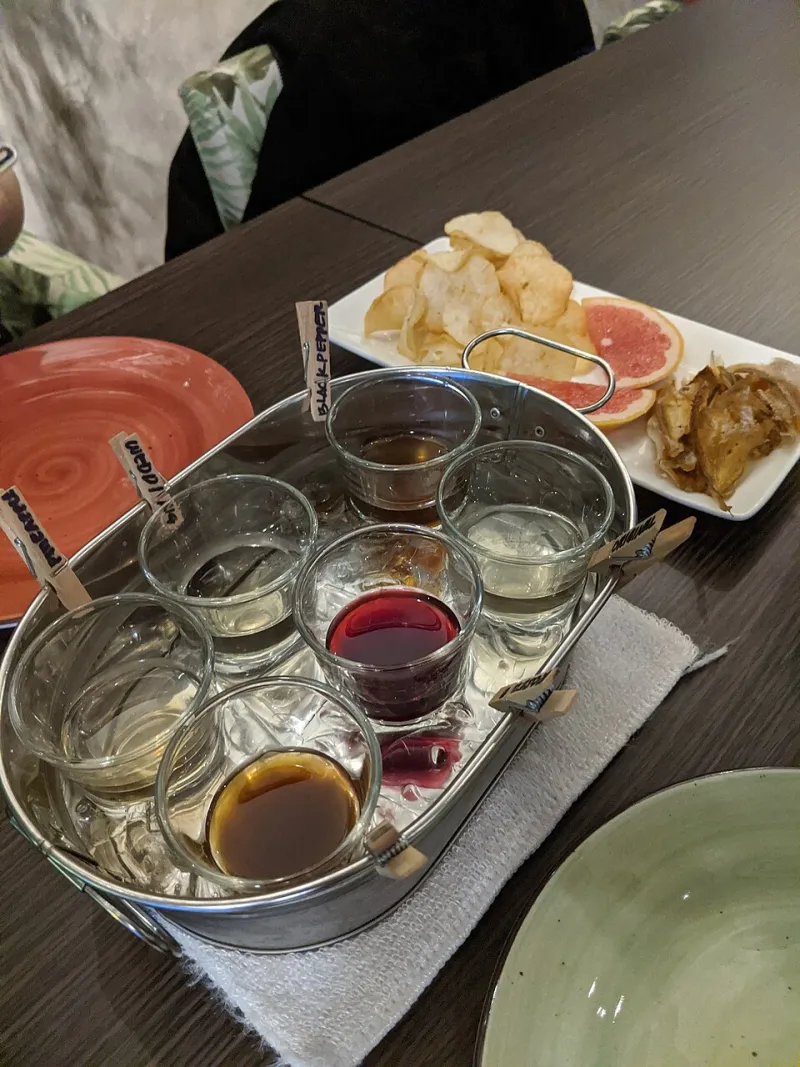
Photo: Jpatokal, CC BY-SA 4.0, via Wikimedia Commons
Ask a chocolatier to describe a 70% Ecuadorian bar and you won't hear "it's chocolatey." You'll hear about dried fruit, roasted nuts, a whisper of spice, the snap of the temper, the way the finish lingers. Coffee professionals are no different: cupping sessions at specialty roasters follow protocols so precise they resemble laboratory procedures more than tastings.
Yet when most of us reach for a craft soda, a kombucha, or an amaro, our analysis stops at "tart" or "too sweet." The gap isn't talent — it's method. Palate training is a skill, and like any skill, it responds to structure. Borrowing the disciplined frameworks of chocolate and coffee professionals can transform the way you experience everything in your fridge.
Why Structure Beats Spontaneity
The chocolate industry relies on standardized tasting protocols for a simple reason: unstructured tasting produces inconsistent results. Temperature, order, and even background noise can skew perception. Sensory scientists call these variables "bias factors," and professionals control them ruthlessly.
Beverage tasters can apply the same logic at home. Serve samples at consistent temperatures — sodas and sparkling waters around 40°F, kombuchas slightly warmer at 45°F, amari at room temperature to let aromatics open up. Taste in ascending order of intensity, moving from delicate to bold. And always use a neutral palate reset between samples: plain water crackers, a slice of green apple, or room-temperature water.
Building Your Own Tasting Flight
A well-constructed flight teaches more than any single bottle can. The goal is contrast — flavors that illuminate one another by sitting side by side.
Start with four to five samples, each poured in roughly two-ounce portions in identical glasses. A reliable progression:
- Sparkling foundation. A dry craft soda or sparkling botanical water. Clean carbonation calibrates your palate.
- Bright and tart. A fruit-forward shrub or citrus soda. Notice how acidity shifts with the baseline established in step one.
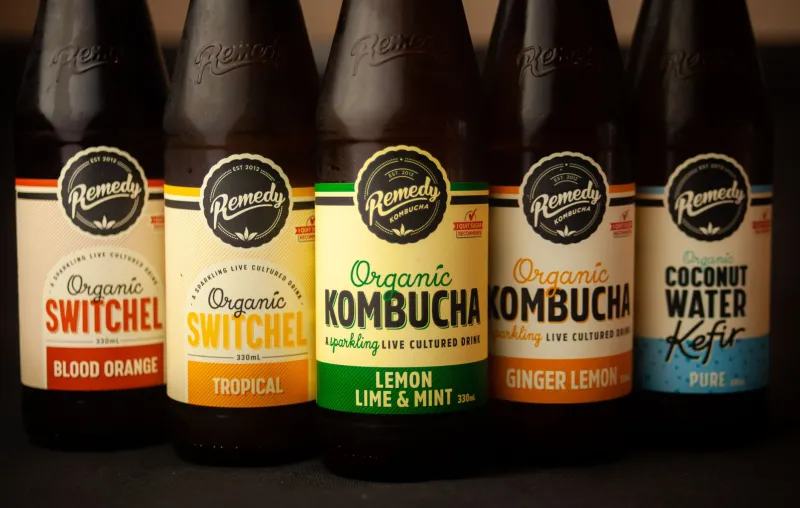
- Fermented complexity. A kombucha or water kefir. Look for the vinegar-like edge, the funk, the tannic grip.
- Botanical depth. A low-intensity amaro or herbal liqueur. Identify individual herbs before the blend becomes "one flavor."
- The wildcard. Something outside your comfort zone — a smoked soda, a mushroom-based elixir, a bitter aperitif.
Between each pour, wait two to three minutes. Rushing flattens perception faster than anything else.
Learning to Speak Flavor
Vocabulary is the most underrated tool in sensory training. Studies in sensory science consistently show that having words for flavors improves your ability to detect them — a phenomenon researchers call the "verbal facilitation effect." In practical terms: the more precisely you can name what you taste, the more you actually taste.
Rather than defaulting to "good" or "interesting," anchor your notes to a flavor wheel. The coffee industry's version maps everything from "stone fruit" to "dried leaves," and the same architecture translates beautifully to craft beverages. Begin with broad categories — fruity, floral, herbal, spicy, nutty, roasted — then drill down. Is that fruitiness more like green apple or cooked pear? Is the herbal note closer to rosemary or sage?
Three vocabulary habits worth adopting:
- Separate sweetness from fruitiness. Sugar and fruit flavor are independent variables; conflating them blurs everything else.
- Distinguish aroma from taste. Pinch your nose mid-sip. What vanishes was aroma, not taste.
- Track the finish. Count how many seconds the flavor persists after swallowing. Long finishes are a hallmark of well-made beverages, alcoholic or not.
Hosting a Discerning-Palate Tasting Night
Once you've practiced solo, share the method. A tasting night works best with six to eight guests, blind samples, and scorecards that ask for three things per beverage: dominant flavor, secondary flavor, and one word for the finish.
Keep the tone curious rather than competitive. The chocolatiers and coffee cuppers who inspired this approach all share one trait: they treat every tasting, even of a flawed sample, as information rather than judgment. A soda that tastes "one-dimensional" teaches you what dimensionality means.
The Payoff
Palate training isn't about becoming insufferable at dinner parties. It's about extracting more pleasure from every pour — noticing the saffron in that amarino-style aperitif, the jasmine in a sparkling tea, the toasted grain beneath a root beer's sarsaparilla. The professionals' secret was never a superior tongue. It was a superior system. Borrow it, and your next sip becomes considerably more interesting.