Time in a Bottle: How Ancient Fermentation Is Rewriting the Rules of Modern Craft Beverages
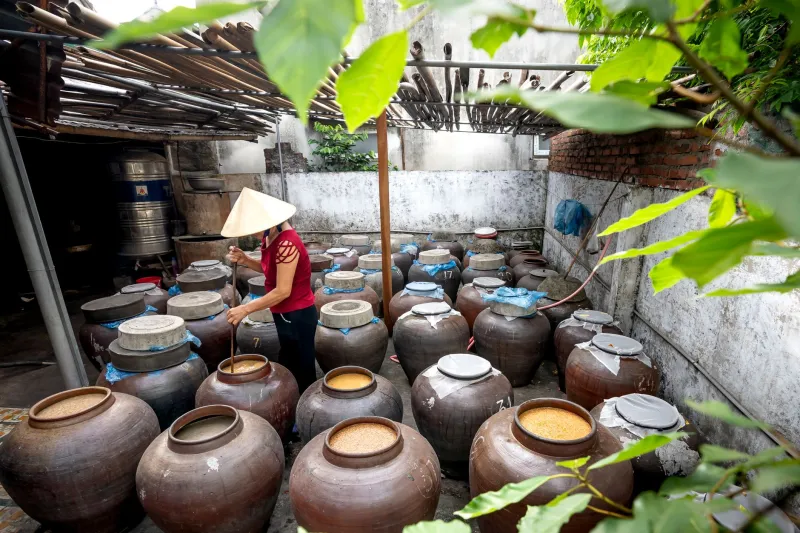
Across the United States, a quiet revolution is underway in fermentation cellars, home kitchens, and small-batch production facilities. Craft beverage makers are reaching back centuries—and across continents—to resurrect techniques that industrial production long ago abandoned. The result is a new generation of drinks that are as historically grounded as they are genuinely surprising.
Fermentation is, of course, among humanity's oldest technologies. Long before refrigeration, pasteurization, or the modern supply chain, cultures on every inhabited continent relied on controlled microbial activity to preserve, transform, and elevate the liquids they consumed. What is remarkable today is not that fermentation persists, but rather the deliberateness with which contemporary producers are returning to its most nuanced and demanding expressions.
From Ginger Beer to Genuine Complexity
Consider the switchel, a colonial-era American drink composed of water, apple cider vinegar, ginger, and a sweetener such as molasses or honey. For most of the twentieth century, switchel was a footnote in culinary history books. Today, small producers in New England and the Mid-Atlantic are not merely reviving the recipe—they are interrogating it. Makers such as Vermont-based craft producers are experimenting with raw, unpasteurized apple cider vinegar, sourcing heirloom ginger varieties, and allowing secondary fermentation to introduce a natural effervescence that no carbonation rig can quite replicate.
The flavor difference is immediate and instructive. A switchel produced through live fermentation carries a depth that its shelf-stable counterpart simply cannot achieve: a gentle sourness that evolves on the palate, a warmth from the ginger that lingers without overwhelming, and a finish that recalls the farmstead origins of the drink itself.
The Kombucha Continuum
Kombucha, perhaps the most visible face of the fermentation renaissance, has moved well beyond its early identity as a health-food-store curiosity. The most ambitious producers are now treating SCOBY cultures—the symbiotic colonies of bacteria and yeast that drive kombucha fermentation—with the same reverence that winemakers extend to their oldest vine clippings. Some studios maintain mother cultures that are decades old, passed down through fermentation communities with a care that borders on ritual.
What this attention yields is flavor complexity that mass-produced kombucha cannot approach. Extended first fermentation produces a pronounced acidity; judicious second fermentation with whole fruit, herbs, or botanicals introduces aromatic layers that unfold in sequence rather than announcing themselves all at once. Producers working in this tradition speak of their beverages in terms that would not be out of place in a wine conversation: balance, structure, finish, and the elusive quality of terroir.
Global Traditions Finding American Expression
The fermentation revival is not confined to drinks with Anglo-American heritage. Across the country, producers are drawing on traditions from Korea, Ethiopia, Mexico, and Scandinavia, among many others. Jun tea—a close relative of kombucha brewed with green tea and raw honey rather than black tea and cane sugar—has attracted devoted producers who prize its lighter, more floral character. Tepache, a fermented pineapple drink rooted in pre-Columbian Mexican tradition, is appearing on the menus of craft beverage bars from Chicago to Los Angeles, often in forms that honor its origins while incorporating locally sourced spices.
These cross-cultural exchanges are not without their complications. Thoughtful producers are increasingly attentive to questions of provenance and attribution, seeking to celebrate global fermentation traditions rather than simply extract their aesthetic appeal. The most credible voices in this space engage directly with source communities, collaborate with diaspora producers, and are transparent about the lineage of the techniques they employ.
What Live Cultures Mean for the Modern Consumer
The health dimension of fermented beverages deserves careful consideration, particularly given the enthusiasm with which some marketers have overstated the science. What the research does support is the presence of live cultures in traditionally fermented drinks, cultures that behave differently from those found in pasteurized products. For consumers who prioritize gut health as part of a broader wellness orientation, the distinction between a genuinely raw, living beverage and a heat-treated approximation is meaningful.
The discerning consumer, however, need not approach fermented beverages primarily as functional products. The more compelling case for these drinks is sensory. A well-made water kefir, a carefully tended jun, or a properly fermented switchel offers a drinking experience of genuine sophistication—one that rewards attention and changes subtly with each sip.
The Craft Imperative
What unites the producers driving this renaissance is a shared conviction that time itself is an ingredient. Industrial beverage production is organized around the elimination of variables; fermentation, by contrast, is the deliberate embrace of them. Temperature fluctuations, seasonal variation in raw materials, the particular character of a given microbial culture—all of these factors shape the final product in ways that cannot be entirely predicted or controlled.
This acceptance of variability is, paradoxically, what makes the finest fermented craft beverages so consistent in their appeal. Consumers who have grown weary of the uniform predictability of mass-market drinks find in these bottles something that feels genuinely alive—because, in the most literal sense, it is.
At River Leaf Beverages, we believe that understanding a drink's origins is inseparable from appreciating its character. The fermentation renaissance is, at its core, an argument that the oldest methods still have something essential to teach us—and that the most forward-looking beverage makers are often the ones looking furthest back.