Ancient Cultures, Modern Craft: The Fermented Beverage Movement Earning Sommelier-Level Respect
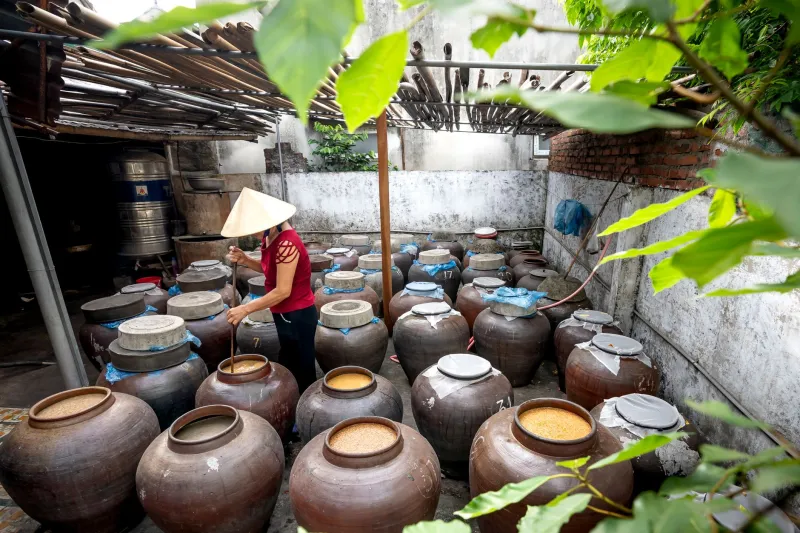
Fermentation is, at its most fundamental, an act of patience and surrender. The producer prepares the conditions, introduces the culture, and then steps back — trusting billions of microorganisms to do work that no machine can replicate. This surrender is precisely what makes fermented beverages so compelling to a certain kind of craft producer, and so endlessly variable for the consumer willing to pay close attention.
In the United States, a fermentation renaissance is well underway. What began as a cottage industry of home brewers and wellness enthusiasts has matured, in less than a decade, into a sophisticated craft category populated by producers with serious technical credentials and even more serious flavor ambitions. Kombucha, tepache, jun, water kefir, and beet kvass are no longer curiosities found only at farmers markets. They are appearing on the beverage programs of fine dining establishments, earning placement alongside natural wines, and attracting the kind of analytical attention once reserved for aged Burgundy.
The Taxonomy of Fermented Craft Beverages
Before examining what distinguishes exceptional fermented beverages from ordinary ones, it is worth establishing a working taxonomy. The category is broader and more varied than casual consumers typically appreciate.
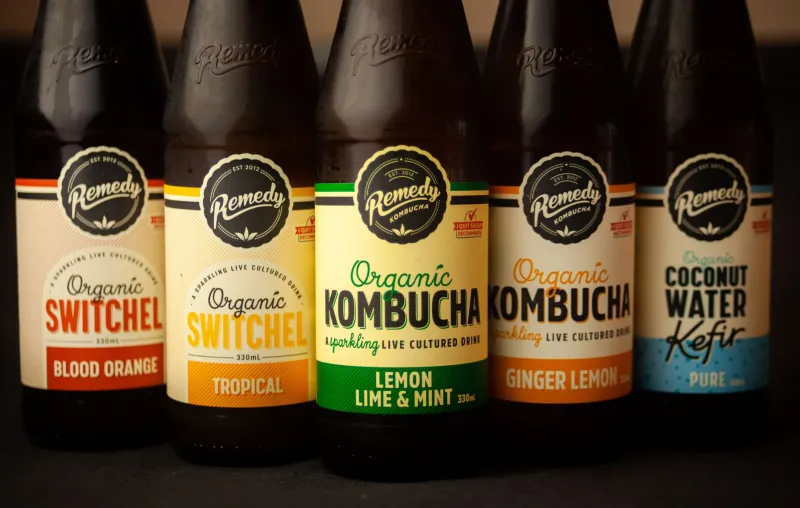
Kombucha is perhaps the most familiar entry point. Produced by fermenting sweetened tea with a symbiotic culture of bacteria and yeast — the SCOBY — kombucha develops a characteristic tartness, effervescence, and depth of flavor that varies dramatically depending on tea selection, fermentation duration, temperature, and the microbial composition of the culture itself. Second fermentation, during which fruit, botanicals, or other flavoring agents are introduced in a sealed vessel, adds further complexity and carbonation.
Tepache originates in pre-Columbian Mexico, traditionally made from fermented pineapple rinds and cores sweetened with piloncillo and spiced with cinnamon and clove. American craft producers have embraced tepache enthusiastically, both for its approachable flavor profile — bright, lightly tart, faintly spiced — and for its relatively short fermentation window, which allows for seasonal ingredient experimentation.
Water kefir uses a distinct set of cultures — water kefir grains, which are polysaccharide structures hosting a community of bacteria and yeast — to ferment sugar water, coconut water, or fruit juice. The resulting beverage is lighter than kombucha, often more overtly fruity, and carries a probiotic profile that has attracted significant consumer interest.
Jun occupies a more rarefied position in the fermented beverage world, sometimes described as the champagne of kombucha. Produced with green tea and raw honey rather than black tea and refined sugar, jun fermentation proceeds differently, yielding a beverage that tends toward greater delicacy and floral complexity.
From Kitchen to Commercial: The DIY-to-Craft Pipeline
A notable characteristic of the contemporary fermented beverage industry is how many of its most accomplished producers began as home fermenters. The barriers to entry for small-scale kombucha or tepache production are low — a vessel, a culture, some tea, some sugar, and a few weeks of patience. This accessibility has generated an unusually large pool of enthusiasts who develop genuine technical expertise before ever considering commercial production.
The transition from home kitchen to commercial facility, however, demands a significant evolution in both thinking and practice. Consistency — the hallmark of any serious craft producer — requires understanding not merely what conditions produce a good batch, but what conditions reliably reproduce a specific flavor profile across dozens or hundreds of batches. Temperature control becomes critical. pH monitoring becomes routine. The microbial community of a SCOBY must be maintained with the same care a winemaker gives to native yeasts.
Several emerging American brands have navigated this transition with notable distinction. Producers in California, the Pacific Northwest, and the urban centers of the Northeast have built reputations on the rigor of their process as much as the creativity of their formulations. Some work directly with tea importers to source single-origin teas with specific flavor profiles. Others have developed relationships with local farms to obtain the freshest possible fruit and botanical ingredients for secondary fermentation.
Tasting Fermented Beverages Like a Professional
Part of what the craft fermented beverage movement is accomplishing — gradually, but with increasing confidence — is establishing a shared language for evaluating these drinks with the same seriousness applied to wine or aged spirits. This is not mere affectation. A well-made kombucha is a genuinely complex beverage. It has acidity that can be analyzed in terms of balance and integration. It has effervescence that affects mouthfeel and flavor delivery. It has aromatic compounds derived from tea, fruit, and fermentation byproducts that reward careful attention.
When approaching a craft fermented beverage analytically, consider the following: Does the acidity feel sharp and aggressive, or does it integrate harmoniously with sweetness and aromatics? Is the carbonation fine-bubbled and persistent, or coarse and fleeting? Do the botanical additions feel genuinely incorporated into the beverage's character, or do they sit on top of the base like an afterthought? These are the questions a sommelier would ask of a sparkling wine, and they are equally illuminating here.
Health, Pleasure, and the Serious Beverage Consumer
The health-conscious dimension of fermented beverages has been both a commercial asset and a reputational liability for the category. Early marketing leaned heavily on probiotic claims and wellness positioning, which drew consumers but also associated fermented drinks with the supplement aisle rather than the bottle shop. The most thoughtful producers are now deliberately repositioning their work — emphasizing flavor complexity, craft process, and gustatory pleasure alongside any health considerations.
This repositioning matters for the discerning consumer. At River Leaf Beverages, we have always maintained that the finest drinks are those that reward attention and occasion genuine pleasure. Fermented craft beverages, at their best, do exactly that — offering depth, variation, and a living quality that no other category can quite replicate. The ancient cultures driving these beverages have been doing their work for millennia. The craft producers now honoring that tradition are simply providing them a worthy stage.