Where the Water Leads: Five River Towns Reshaping the Craft Beverage Map
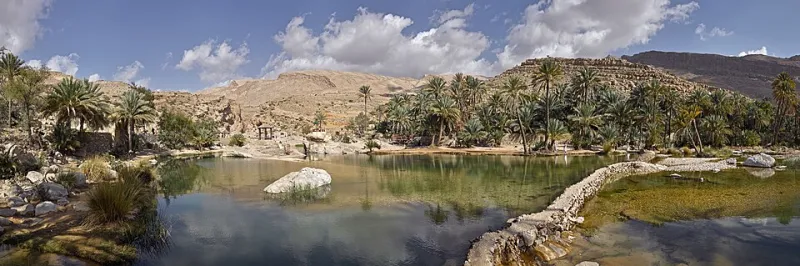
Photo: Richard Bartz, CC BY-SA 3.0, via Wikimedia Commons
A river town has a different relationship with water than a city does. In a metropolis, water arrives through pipes and leaves through drains, anonymous at both ends. In a river town it is visible, seasonal, and occasionally argumentative — high in April, sulking in August, carrying the mineral signature of everything upstream. That visibility tends to shape how people drink there. It is the reason a town of a few thousand along the Columbia or the St. Croix can support a beverage culture more distinctive than the tasting rooms of a city many times its size.
The pattern repeats with almost mechanical reliability. Local water determines what can be brewed and distilled well. Surrounding farmland determines what can be fermented. A compact historic main street keeps the whole conversation going, because the brewer knows the cidermaker and the cidermaker knows the person pouring at the wine bar. What follows are five river towns where those factors have converged. None requires a chartered plane; all reward a detour.
Hood River, Oregon: Cold Water, Hard Fruit
Where the Hood River meets the Columbia, the water is snowmelt and glacial runoff off Mount Hood — low in dissolved minerals, soft enough to let delicate malt character and hop aromatics come through without a fight. That is a gift to a lager brewer. It is also why the town's producers can ferment orchard fruit at a level of precision that warmer climates struggle to match. The valley's pears and apples, historically grown for canning, now go into perry and cider with a taut, mineral finish.
Start on the waterfront, where pFriem Family Brewers pours Belgian-leaning ales and lagers with a view of the gorge, then walk into town for the broader tap lists along Oak Street. The scale is the point: this is a town of roughly eight thousand that drinks like a city ten times its size, and almost nothing is more than fifteen minutes from the river.
Stillwater, Minnesota: Limestone and Lager on the St. Croix
Thirty minutes east of Minneapolis, Stillwater climbs a set of river bluffs that once made it a lumber town and now make it a very pleasant place to spend an afternoon. The St. Croix runs clearer and cooler than the Mississippi it feeds, and the region's limestone aquifers push the water toward the hard, mineral-forward profile that lager yeast has always preferred. Order the pale lagers and pilsners first; the water is doing quiet work in them.
Lift Bridge Brewing takes its name from the 1931 vertical-lift bridge that anchors the historic district, and the taproom is a reasonable starting point before a slow walk along the riverfront. Go on a weekday if you can. The town's charms are considerably easier to enjoy without a festival crowd.
Richmond, Virginia: The Fall Line Advantage
Richmond sits exactly where the James River drops off the Piedmont and into the coastal plain — the fall line, a geological seam that gave the city its rapids and its early industrial wealth. Water taken above that seam tastes different from water taken below it, and a city with both is a city with range.
Hardywood Park Craft Brewery and The Veil Brewing have made the city a destination for hop-forward and barrel-aged work, while Blue Bee Cider has spent years arguing — persuasively — that Virginia's heirloom apple varieties deserve the same attention as its grapes. The scene is dense enough to walk, spread enough to require a rideshare, and unpretentious in a way that larger markets have largely lost.
Missoula, Montana: Snowmelt and Bitter Flowers
The Clark Fork runs through the middle of Missoula, and the water in it starts as snow high in the Bitterroots. That soft, cold snowmelt suits the town's brewing tradition, and the surrounding valleys supply hops with a resinous, high-altitude intensity that is difficult to replicate elsewhere. Western Montana has quietly become a serious hop-growing region in its own right.
KettleHouse Brewing Company and Big Sky Brewing have anchored the local scene for decades, while Western Cider has built a following on regional orchard fruit and a taproom that treats cider with the seriousness usually reserved for wine. Come in late summer, when the river is low and warm and the tap lists turn toward harvest fruit.
Hermann, Missouri: The Missouri River's Wine Bench
German settlers arrived in this bend of the Missouri River in the 1830s and planted vines on slopes above the water, and the town has been arguing about wine ever since. The local hero is Norton, a native American grape that produces deeply colored, structured reds with a savory edge — a variety that the American palate is only now beginning to take seriously again.
The Hermann Wine Trail links a handful of family-run wineries within a short drive of one another, most with tasting rooms looking down at the river. This is not a Napa experience and is not trying to be. It is inexpensive, unhurried, and refreshingly free of the performative quality that afflicts more famous wine country.
Planning the Run
A few practical notes. Small-town taprooms keep small-town hours; many close Monday and Tuesday, so confirm before you drive. Fall is the best window in most of these towns — harvest activity, moderate weather, and fewer visitors than high summer. And ask questions. Ask the brewer what they treat in their water and what they deliberately leave alone. The answer is usually the most interesting thing you will learn all day.
The larger argument, though, is about scale. A river town produces a beverage culture that is legible — you can see where the water comes from and taste the fruit grown a few miles away. That legibility is increasingly rare, and it is worth a detour.