The Vessel and the Values: How Craft Beverage Producers Are Rethinking What Packaging Communicates
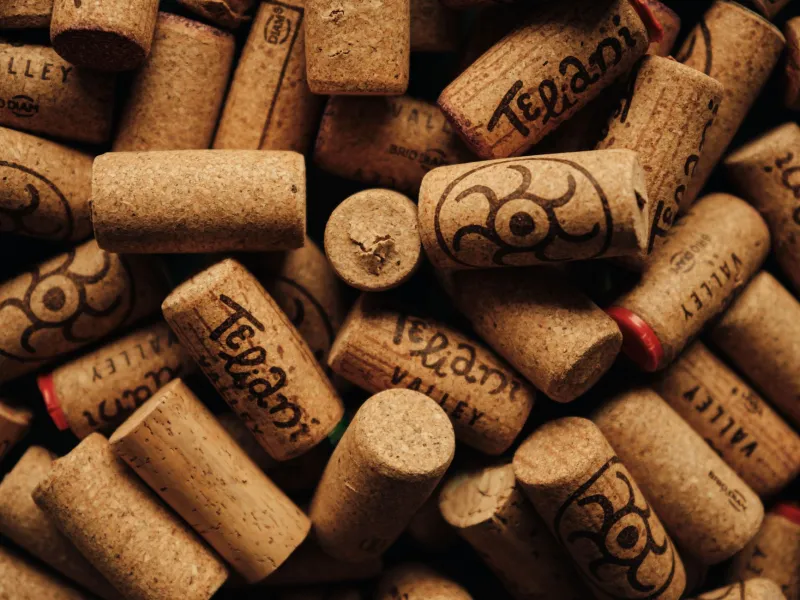
For the craft beverage consumer, the bottle has always been part of the message. The weight of the glass, the texture of the label, the tactile satisfaction of a well-designed closure—these details have long signaled care, intentionality, and premium positioning. But a growing cohort of producers and their customers are extending that message beyond aesthetics, asking whether the container itself reflects the same standards of integrity as the liquid within. Sustainable packaging is no longer a niche concern—it is rapidly becoming one of the most telling indicators of a brand's genuine commitment to quality.
The Gap Between Claim and Container
The contradiction has become difficult to ignore. A producer might source organic botanicals from a single farm, employ a master blender with decades of experience, and speak eloquently about their environmental stewardship—then ship the finished product in a single-use plastic bottle destined for a landfill. For an increasingly informed consumer base, this gap between stated values and material reality registers as a form of inconsistency that undermines the broader brand narrative.
This is not merely a matter of sentiment. Research consistently indicates that consumers in the premium beverage segment are making purchasing decisions that factor in environmental impact alongside taste and price. A 2023 survey by the Specialty Food Association found that sustainability credentials ranked among the top five purchase drivers for specialty and artisanal food and beverage products. For craft beverage brands, whose identity is built on differentiation and authenticity, this shift in consumer priorities represents both a challenge and an opportunity.
Glass: The Familiar Standard and Its Limits
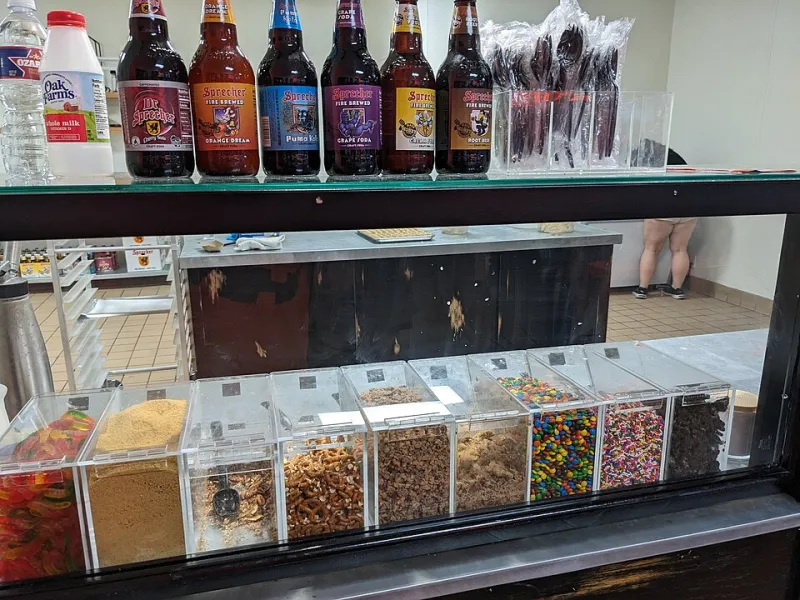
Glass has long been the default premium packaging material in the craft beverage world, and its merits are genuine. It is chemically inert, preserving flavor integrity without imparting off-notes; it is infinitely recyclable in theory; and it carries a visual and tactile weight that communicates quality in a way that other materials have struggled to match.
In practice, however, glass recycling rates in the United States remain disappointingly low—hovering around 31 percent according to the EPA—and the material's considerable weight contributes meaningfully to transportation-related carbon emissions. Producers who have examined their full supply chain footprint have found that glass, while preferable to single-use plastic, is far from a complete answer.
Some of the most innovative responses to this problem have come from producers embracing refillable glass systems. Several craft beverage companies operating in urban markets have introduced deposit-based bottle return programs, working with local retailers and restaurant partners to collect, sanitize, and reuse vessels. The logistics are demanding, and the economics require careful management, but the producers who have made these systems work report that the program becomes a powerful brand differentiator—a tangible proof point for values that might otherwise remain abstract.
Aluminum, Cans, and the Reconsideration of a Workhorse
Aluminum cans, once associated almost exclusively with mass-market beverages, have undergone a remarkable reappraisal in craft circles. The material is recycled at significantly higher rates than glass in the US—approximately 45 percent, with some regions performing considerably better—and its light weight reduces transportation emissions substantially. Cans also offer superior protection against light and oxygen, two of the primary enemies of beverage quality.
Craft producers who have transitioned to canned formats report initial resistance from consumers conditioned to associate cans with commodity products. The solution, for many, has been to treat the can's surface as a canvas for design work of the same quality they previously reserved for bottle labels. The result has been some of the most visually compelling packaging in the craft beverage space, demonstrating that sustainable choices and premium aesthetics are not mutually exclusive.
Emerging Materials and the Circular Economy
Beyond glass and aluminum, a handful of producers are exploring genuinely novel approaches. Compostable bottles made from plant-based polymers have attracted attention, though their performance in conventional recycling streams and their actual end-of-life outcomes remain subjects of ongoing debate. Bag-in-box formats, long standard for bulk wine, are being reconsidered for premium still beverages where carbonation is not a requirement—the format reduces packaging weight dramatically and has a lower carbon footprint than glass across most metrics.
Perhaps the most philosophically coherent approach is the circular economy model, in which packaging is designed from the outset for recovery and reuse rather than disposal. Several craft beverage producers, particularly in the Pacific Northwest and the Northeast, have built relationships with local packaging cooperatives that manage the collection and redistribution of containers across multiple brands. These arrangements require a degree of inter-brand collaboration that runs counter to the competitive instincts of many small producers, but the shared infrastructure they create is more durable than any single company could sustain alone.
Aesthetics as Accountability
One persistent concern among craft producers is that sustainable packaging materials will compromise the premium visual identity that justifies their pricing and positioning. This concern, while understandable, is increasingly being refuted by the market. Some of the most striking packaging design currently appearing in the craft beverage space belongs to brands that have made sustainability central to their material choices, treating the constraints of recycled content or reduced material weight as design problems to be solved creatively rather than obstacles to be lamented.
The producers setting the standard in this space understand something important: the discerning consumer does not separate the vessel from the values. When a bottle, can, or carton communicates genuine environmental thoughtfulness alongside visual sophistication, it reinforces rather than dilutes the premium positioning of the liquid inside. In a market where authenticity is the most coveted and least replicable asset, the package that tells a true story is always more compelling than the one that merely looks the part.
At River Leaf Beverages, we curate products from producers for whom every decision—from source ingredient to final container—reflects a coherent and considered philosophy. The vessel, we believe, is very much part of the craft.