Open Fridge, Open Book: What Small-Batch Beverage Makers Really Drink at Home
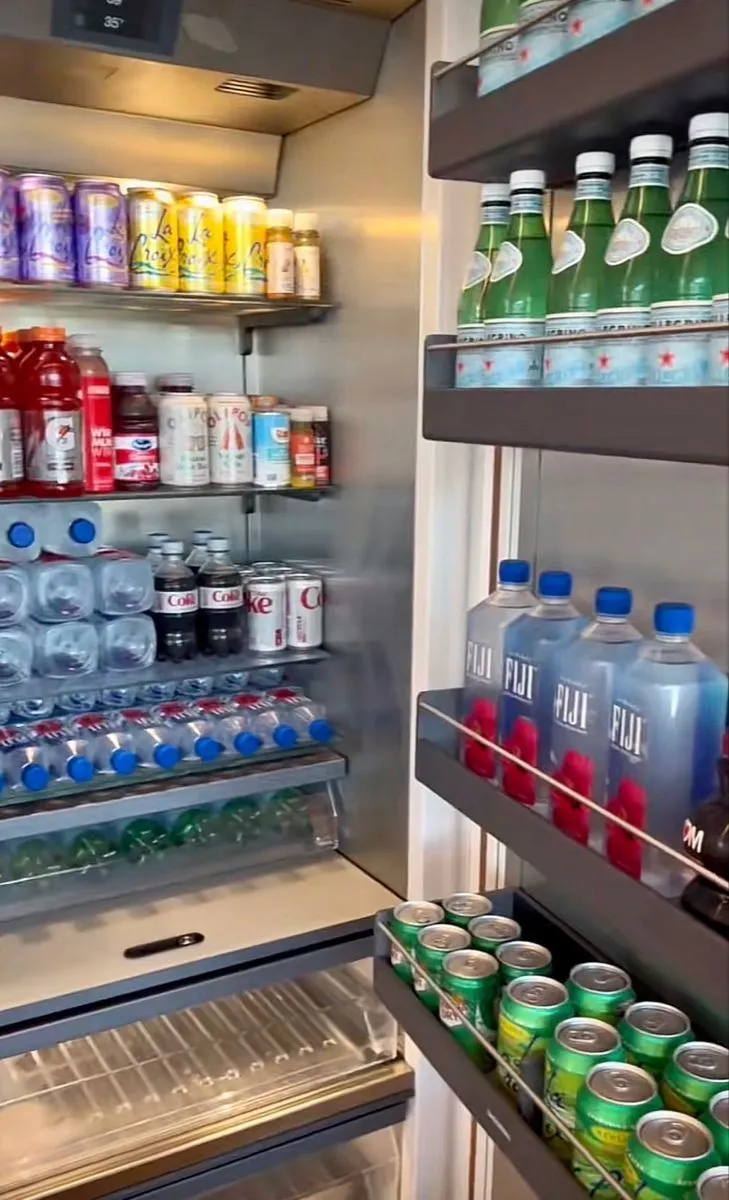
Photo: open refrigerator filled with assorted bottles and drinks at home, via i.pinimg.com
There's a particular kind of honesty that surfaces when you ask someone what they drink alone. Marketing language evaporates. Tasting notes disappear. What remains is the truth: most people, even the people who make extraordinarily sophisticated beverages for a living, reach for remarkably ordinary things when the day is done.
We put the question to five small-batch producers across the country — founders and brewers whose bottles grace serious shelves — and asked them to describe their home refrigerators without editing. Their answers were charming, occasionally embarrassing, and unexpectedly reassuring about the state of American craft.
The Founder Who Drinks Gas Station Iced Tea
A kombucha maker in Asheville, North Carolina — someone whose fermented blends have been described in terms usually reserved for natural wine — admitted, without hesitation, that her personal weakness is the sweet tea from a particular roadside gas station outside town. "It's terrible. It's perfect. I have a relationship with it," she said. Her own product, she noted, she drinks mostly for quality control, "one ounce, every batch, with a notebook."
The Brewer with a Shelf of Failed Experiments
A soda producer in Portland, Oregon keeps an entire refrigerator shelf dedicated to failures: a dill-pickle cola that "nobody will ever taste," a lavender root beer he describes as "a crime," and a birch-and-smoked-salt concoction he insists is "one revision away" — it has been one revision away for two years. "Connoisseurs think we sip masterpieces," he laughed. "We mostly drink our mistakes and take notes."
Tap Water, Unapologetically
The founder of a sparkling botanical water company in the Hudson Valley gave perhaps the most common answer: plain tap water, filtered, room temperature. "I taste botanicals forty hours a week," she explained. "At home, my palate wants nothing." She did confess to a single indulgence — supermarket ginger ale, the kind sold in two-liter bottles, which she calls "the great equalizer."
The Cider Maker and the Supermarket Staple
A cider producer in Vermont, whose estate ciders sell out every season, keeps his refrigerator stocked with what he calls "the least romantic inventory in craft": leftover Chinese takeout, hot sauce, and a six-pack of cheap domestic lager. "After a harvest day, I don't want tannin structure," he said. "I want cold and yellow." His own ciders, he added, are for sharing — "they taste better when someone else is impressed."
The Amaro Maker's Midnight Snack Pairing
Our most curious answer came from an herbalist-turned-distiller in Santa Fe, New Mexico, who confessed to pairing her small-batch amari with Flamin' Hot–style snack chips. "The chile heat against the gentian bitterness? It's genuinely good," she insisted. "I will not be putting it on the website."
What It All Means
Taken together, these confessions sketch a portrait of American craft that stands in welcome contrast to its occasionally precious reputation. The people behind the most thoughtful bottles in the country are not sipping their own creations by candlelight. They are drinking iced tea at gas stations, keeping failure shelves, and pairing artisanal bitters with convenience-store snacks.
There's a lesson in that for anyone intimidated by the world of discerning drinking. Connoisseurship, it turns out, isn't about exclusivity or ceremony. It's about attention — and attention can be applied to a two-dollar iced tea just as honestly as to a barrel-aged amaro. The craft is in the noticing, not the price tag.
So the next time a tasting menu starts to feel like a performance, remember the Asheville founder with her gas station tea, or the Portland brewer with his failure shelf. The most discerning palates in America have refrigerators that look a lot like yours. They've just learned to pay closer attention to whatever's inside.