The $14 Glass of Nothing: Inside the Craft Non-Alcoholic Boom
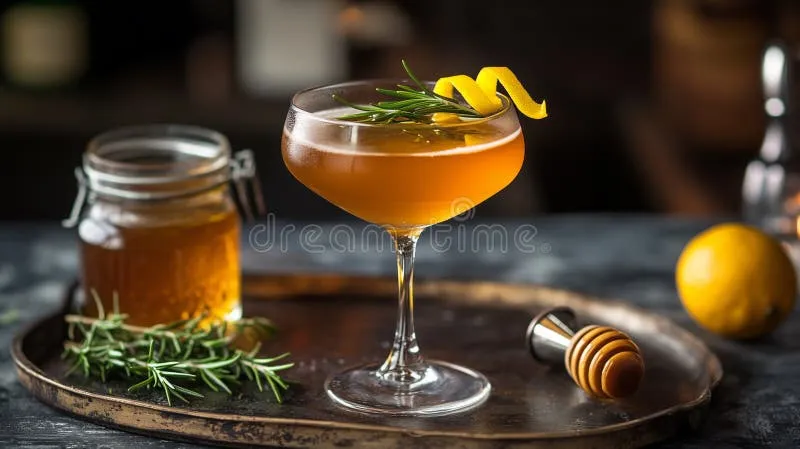
Photo: elegant non-alcoholic cocktail in coupe glass on bar counter, via thumbs.dreamstime.com
Not long ago, the non-drinker at a serious cocktail bar had two options: ginger ale or sparkling water with lime. Today, that same guest might order a fermented verjus spritz with toasted oak, chamomile, and white pepper — and pay cocktail prices for it. The transformation of America's non-alcoholic beverage category from consolation prize to culinary statement is one of the most significant shifts in modern drinking culture.
From Afterthought to Program
The numbers tell part of the story. Industry analysts have tracked double-digit annual growth in non-alcoholic spirits, wines, and ready-to-drink options for several years running, with the US market leading much of the expansion. But statistics understate the cultural shift. The term "sober curious," coined in the late 2010s, has evolved from wellness-blog shorthand into a genuine consumer identity — one that includes millions of Americans who drink occasionally rather than never.
Bartenders noticed first. At leading bars in New York, Los Angeles, and Chicago, spirit-free sections now occupy dedicated real estate on the menu, often developed with the same iteration process — recipe testing, garnish trials, acid balancing — as any whiskey sour.
Three Producers Shaping the Category
Athletic Brewing Co. (Milford, Connecticut) proved that near-beer could shed its stigma. By focusing on quality hop-forward styles and treating the brewing process — not the abv — as the selling point, Athletic became the best-selling non-alcoholic beer brand in the country and made "dry January" a year-round proposition for many drinkers.
Ghia (Brooklyn, New York) took a different path: bitter, aperitif-inspired bottlings built on gentian, fig, and elderflower. Founder Mélanie Masarin positioned the product not as a substitute for alcohol but as a ritual of its own — an argument the market has rewarded with national distribution and devoted shelf space.
Ritual Zero Proof (Chicago, Illinois) targeted the home bartender, producing alcohol-free stand-ins for whiskey, gin, and tequila designed explicitly for mixing. Their approach — engineered for cocktail structure rather than straight sipping — gave home hosts a practical toolkit and helped normalize the zero-proof category at retail.
The Price Question
Which brings us to the uncomfortable part: a bottle of craft non-alcoholic spirit routinely costs $30 to $40, sometimes approaching the price of the real thing — a product that carries excise taxes, aging costs, and distribution burdens the alcohol-free version doesn't. Is the premium justified?
The honest answer is: sometimes. Production costs are real. Botanicals like gentian root and orris are expensive. Small-batch fermentation, reverse-osmosis dealcoholization for wine, and elaborate maceration schedules all add cost. A producer sourcing single-origin ingredients and bottling in small runs isn't padding margins.
But not every product earns its tag. Some mass-market zero-proof spirits are essentially flavored water with salt and acid — ingredients that cost pennies. Discerning consumers should read labels the way they would for any premium product: real botanicals, named ingredients, and transparent process are meaningful signals; vague "natural flavors" lists are not.
What to Stock
For readers building a spirit-free home bar, three fundamentals cover most needs: a bitter aperitif for spritzes, a botanical "gin" alternative for highballs, and a quality sparkling option — verjus or a dry hoppy water — for celebratory pours. Add fresh citrus and a simple syrup, and an entire evening of hospitality requires no bottle of alcohol at all.
The craft non-alcoholic movement is young, and some of it will not survive its own hype. But the best of it represents something durable: the recognition that complexity, craft, and ceremony were never actually about the ethanol. They were about care — and care, it turns out, scales beautifully to zero proof.