Rooted in Place: A Journey Through America's Most Distinctive Regional Beverage Identities
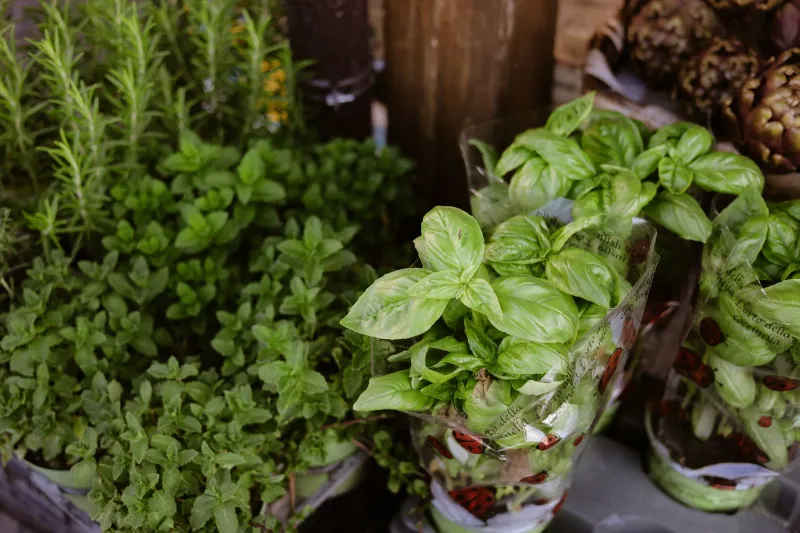
Geography has always shaped what people drink. Soil, climate, water chemistry, and cultural inheritance combine to make certain flavors native to certain places in a way that no amount of ingredient sourcing can fully replicate. In the wine world, this truth has been enshrined in the concept of terroir—the notion that a place leaves its signature in the glass. In the broader craft beverage world, that same principle is now being articulated with increasing confidence and specificity.
Across the United States, a new generation of producers is making the relationship between place and flavor explicit—sourcing hyper-local ingredients, drawing on regional cultural traditions, and crafting drinks that could not have been made, or tasted quite the same, anywhere else.
The Pacific Northwest: Botanicals and the Taste of Green
If any American region has developed a coherent craft beverage identity in recent years, it is the Pacific Northwest. The combination of a mild, wet climate, a culture of outdoor engagement, and a long tradition of small-scale agriculture has produced a remarkable concentration of botanical beverage producers in Washington and Oregon.
The signature flavor of this region tends toward the verdant: Douglas fir tips, stinging nettle, Cascara (the dried husk of the coffee cherry, long used as a tea in coffee-growing regions), and foraged mushrooms appear in sodas, shrubs, and fermented tonics produced by small studios from Portland to Bellingham. Water sourced from mountain snowmelt—exceptionally soft and mineral-light—allows these botanical flavors to express themselves without competition, producing drinks of notable clarity and brightness.
Producers in this region are also distinguished by their relationships with foragers and small farms. Many operate on a seasonal model, adjusting their offerings as ingredients come into availability—a practice that demands flexibility from both producer and consumer but yields a portfolio that changes meaningfully with the calendar.
The Southwest: Desert Botanicals and Indigenous Influence
In the arid landscapes of Arizona, New Mexico, and West Texas, a different kind of terroir is emerging. The Sonoran Desert and its surroundings harbor an extraordinary diversity of plants that have sustained Indigenous communities for millennia—saguaro cactus fruit, mesquite pods, prickly pear, and desert sage among them. A growing number of craft beverage producers are working directly with Indigenous communities and traditional ecological knowledge holders to incorporate these ingredients in ways that are respectful of their origins and genuinely illuminating of the flavors that define this landscape.
The beverages that result are striking in their distinctiveness. Prickly pear sodas carry a magenta hue and a flavor that is at once fruity and subtly earthy. Mesquite-infused drinks offer a smokiness that evokes the desert floor after rain. These are not flavors that can be approximated with commercial extracts; they require the actual plants, grown in the actual place, to achieve their character.
The water of the Southwest presents its own challenges and opportunities. High mineral content—particularly calcium and magnesium—gives many regional water sources a pronounced hardness that influences beverage production significantly. Producers who work with rather than against this characteristic find that it lends structure and body to their drinks in ways that softer water cannot.
Appalachia: Roots, Herbs, and a Living Tradition
The mountain communities of Appalachia maintain one of the richest traditions of herbal knowledge in North America—a tradition shaped by Cherokee and other Indigenous practices, by the Scots-Irish settlers who brought their own plant knowledge to the region, and by centuries of geographic isolation that preserved both plants and practices that disappeared elsewhere.
Craft beverage producers in Kentucky, Tennessee, West Virginia, and western North Carolina are drawing on this inheritance with growing sophistication. Spicebush, ramps, black cohosh, and sassafras appear in small-batch tonics and botanical waters that taste unmistakably of their origins. Some producers work directly with Appalachian herbalists and foragers, creating supply chains that support traditional land stewardship practices while ensuring ingredient quality and traceability.
The flavor profile of Appalachian craft beverages tends toward the complex and the resinous—drinks that reveal themselves slowly and reward contemplation. There is an earthiness here that reflects the forest floor, a slight bitterness that speaks to the medicinal tradition from which many of these ingredients come, and an overall character that is decidedly American in the most specific and rooted sense of that word.
The Upper Midwest: Grain, Lake Water, and Nordic Echoes
Michigan, Wisconsin, and Minnesota have developed a craft beverage culture shaped by the Great Lakes—the largest freshwater system in the world—and by the Northern European immigrant communities whose culinary traditions took root in the region during the nineteenth century. The water of the Great Lakes region is exceptionally clean and relatively soft, making it well suited to a wide range of beverage applications.
Producers in this region are working with local grains, wild rice, and the abundant fruit of the northern forest—tart cherries, lingonberries, and serviceberries among them—to create sodas, shrubs, and fermented beverages that carry a distinct regional character. Scandinavian herbal traditions, particularly the Swedish and Norwegian practice of brewing herb-infused waters called örtte and urtete, have found new expression in the hands of producers who grew up with these flavors and are now articulating them for a contemporary audience.
Why Geography Matters More Than Ever
The emergence of distinctly regional American beverage identities is not merely a marketing phenomenon. It reflects a genuine shift in how craft producers think about their raw materials and their relationship to the landscapes they inhabit. As consumers become more sophisticated in their appreciation of provenance and more skeptical of generic craft branding, the producers with the most compelling and specific stories to tell—stories rooted in actual places, actual plants, and actual communities—hold a meaningful advantage.
At River Leaf Beverages, we have always believed that the most interesting drinks are those that carry a sense of where they came from. The regional flavor map of American craft beverages is still being drawn, and the most exciting territories are those where producers are listening most closely to what their particular corner of the country has to say.