Ahead of the Curve: Ten Craft Beverage Producers Worth Discovering Right Now
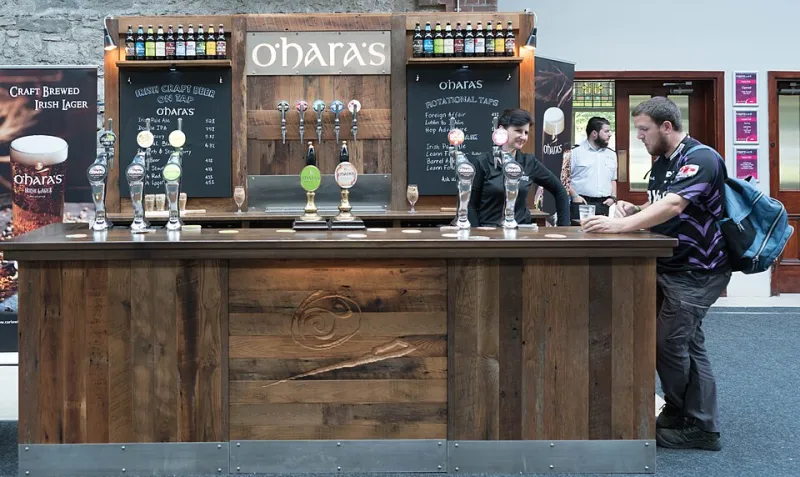
Photo: William Murphy, CC BY-SA 2.0, via Wikimedia Commons
There is a particular satisfaction in finding something extraordinary before the rest of the world catches on. In the craft beverage space, where genuine innovation is happening at a pace that mainstream distribution channels have not yet absorbed, that opportunity presents itself regularly to those willing to look beyond the obvious.
The producers assembled here have been selected through a combination of direct tastings, industry consultation, and the kind of sustained attention that River Leaf Beverages brings to the emerging beverage landscape. Each represents a distinct vision, a specific geography, and a commitment to quality that distinguishes them from the broader category. Consider this your introduction to what the next generation of premium American craft drinks looks like.
1. Watershed Botanical Co. — Bend, Oregon
What they make: Cold-process botanical sodas and sparkling tonics
Watershed draws on the extraordinary biodiversity of the Oregon Cascades, working with foragers and small farms to source ingredients that most bottlers would never consider. Their juniper and cascara soda — using the dried coffee cherry husks beloved in Ethiopian tradition — is a genuinely original creation with a roasted, slightly tannic body and a clean, resinous finish. Available through their website and select Portland-area retailers.
Tasting note: Earthy, complex, with a long finish reminiscent of aged vermouth.
2. Gulf Tide Brewing — Mobile, Alabama
What they make: Southern-inspired craft sodas and drinking vinegars
Founded by a former pastry chef, Gulf Tide applies culinary precision to their small-batch production. Their muscadine grape shrub — a drinking vinegar blended with raw apple cider vinegar, Gulf Coast cane sugar, and native muscadine grapes — is one of the most compelling non-alcoholic beverages we have encountered in recent memory. Tart, deeply fruited, and surprisingly versatile as both a standalone drink and a cocktail component.
Tasting note: Vivid purple fruit, bright acidity, a honeyed sweetness that lingers.
3. Stillwater Cultures — Missoula, Montana
What they make: Traditionally fermented sodas and wild-culture sparkling waters
Stillwater is one of a small number of American producers practicing genuine wild fermentation for their sodas — using ambient yeasts captured from the surrounding environment rather than laboratory-cultivated strains. The results are inherently variable and entirely fascinating. Their seasonal huckleberry kvass has developed a devoted regional following, and their plain wild-fermented sparkling water — which carries a soft, almost bread-like complexity — is unlike anything else on the market.
Tasting note: Lively, slightly funky, with a minerality that speaks clearly of place.
4. Ironwood Provisions — Asheville, North Carolina
What they make: Heritage-recipe craft sodas and Appalachian botanical tonics
Asheville's thriving independent food culture has produced several noteworthy beverage makers, but Ironwood stands apart for their rigorous archival research. Every product in their line is grounded in documented Appalachian recipes from the late nineteenth and early twentieth centuries, updated only where ingredient availability demands. Their black cherry phosphate — made with real cherry juice, phosphoric acid, and a proprietary spice blend — is the closest thing to a genuine soda fountain experience available in a bottle.
Tasting note: Deep cherry, subtle almond, an authentic tartness that mass-market versions have entirely forgotten.
5. Prairie Current — Lawrence, Kansas
What they make: Grain-forward craft sodas and fermented cereal beverages
The Great Plains are not typically associated with beverage innovation, which makes Prairie Current's work all the more striking. Drawing on the region's wheat and sorghum agricultural heritage, they produce a line of grain-based sodas that occupy a fascinating middle ground between traditional beer and contemporary craft soda. Their malted sorghum cream soda is rich, slightly smoky, and wholly original — a beverage that demands a second tasting to fully comprehend.
Tasting note: Caramel, toasted grain, a velvet texture with gentle effervescence.
6. Tidewater Botanicals — Annapolis, Maryland
What they make: Chesapeake-inspired sparkling herbal waters and tea sodas
Tidewater's founders — a marine biologist and a former tea buyer — bring an unusually rigorous intellectual framework to their production. Their sea-vegetable and white tea sparkling water uses sustainably harvested dulse and wakame from the mid-Atlantic coast to produce an umami-tinged, deeply savory drink that challenges every assumption about what a sparkling water can be. Their linden flower and Maryland honey soda is gentler and more immediately approachable, a lovely introduction to the range.
Tasting note: Delicate, saline, with a clean floral sweetness in the finish.
7. Mesa Verde Elixirs — Santa Fe, New Mexico
What they make: High-desert botanical sodas and ceremonial cacao drinks
Santa Fe's elevation, aridity, and proximity to extraordinary native plant diversity inform every product Mesa Verde produces. Their piñon pine and chokecherry soda tastes like a walk through the high desert in late summer — resinous, slightly sweet, with a wild fruit undercurrent that is simultaneously foreign and deeply familiar. Their ceremonial-grade cacao drinking chocolate, served cold and lightly sparkling, is one of the more adventurous products on this list and one of the most rewarding.
Tasting note: Pine resin, wild berry, a dry mineral quality that is entirely distinctive.
8. Birch & Brine — Portland, Maine
What they make: Cold-climate botanical sodas and forest-foraged sparkling tonics
Maine's foraging tradition is among the oldest in North America, and Birch & Brine is its most articulate contemporary beverage expression. Their birch sap soda — produced during the brief late-winter harvest window when birch trees run with their subtly sweet, mineral-rich sap — is available only in limited quantities and sells out quickly. Their year-round line includes a spruce tip and sea salt sparkling water that has earned praise from some of the Northeast's most respected sommeliers.
Tasting note: Clean, gently sweet, with a woodsy brightness and a pleasant saline close.
9. Sunchaser Ferments — Tucson, Arizona
What they make: Sonoran Desert-inspired tepache, agua fresca sodas, and botanical kombuchas
Sunchaser occupies a culturally rich position at the intersection of indigenous Sonoran traditions and contemporary craft fermentation. Their prickly pear and hibiscus tepache — a naturally fermented pineapple-based beverage with roots in pre-Columbian Mexico — is vibrantly colored, gently effervescent, and carries a depth of flavor that their larger competitors in the kombucha category cannot approach. Their saguaro fruit agua fresca soda, available only in summer, is an annual event for their growing subscriber community.
Tasting note: Bright magenta, tropical fruit, a gentle tartness with floral warmth.
10. North Light Beverage Co. — Duluth, Minnesota
What they make: Great Lakes-inspired craft sodas and cold-brew botanical teas
Duluth sits at the western tip of Lake Superior, and the enormous freshwater sea that defines the region is central to North Light's identity. Their cold-brew wild rice and vanilla soda — using hand-harvested Anishinaabe wild rice steeped in cold water before carbonation — is as specific to place as any beverage produced in America today. Gentle, slightly nutty, and quietly complex, it is the kind of drink that rewards patience and attention in equal measure.
Tasting note: Subtle grain sweetness, soft vanilla, a clean finish with the faintest mineral note.
A Final Word on Discovery
Each of the producers listed here is, at this writing, operating at a scale where individual attention still shapes every batch. That will not remain true indefinitely for all of them. The trajectory of the craft beverage market suggests that several of these brands will find wider audiences in the coming years — and that is, on balance, a welcome development. But there is something to be said for knowing them now, when the relationship between maker and drinker is still direct, personal, and unhurried.
River Leaf Beverages will continue to track these producers and introduce new discoveries as the landscape evolves. The best of what American craft beverages can be is still being written.